
Leopard geckos (Eublepharis macularius) are fascinating, hardy reptiles with simple dietary needs — but feeding them well is key to keeping them healthy. As insectivores, they thrive on a varied menu of live invertebrates. If you want to learn more about Leopard Gecko Diets, here’s a straightforward guide to the best options and how to use them.
Crickets
Why they’re great: A classic staple — easy to find, affordable, and full of protein. Nutrition: High protein, good fibre. Tip: Always dust with calcium and vitamins before feeding. Importantly, crickets are a key part of most healthy leopard gecko diets for balanced nutrition.

Mealworms
Why they’re useful: Simple to store and handle. Nutrition: Moderate protein, higher fat. Tip: Offer in moderation — they’re a bit fatty. Including mealworms in Leopard Gecko Diets provides variety to keep your gecko interested.

Ready to feed your gecko?
Stock up on fresh livefood — delivered straight to your door.
Waxworms
Why geckos love them: Soft, tasty, and irresistible. Nutrition: Very high fat. Tip: Treat food only — perfect for picky eaters or weight gain. When considering a leopard gecko’s diet, waxworms should be treats for special occasions.

Locusts
Why they’re ideal for adults: Larger, active feeders that encourage natural hunting behaviour. Nutrition: Balanced protein and fibre. Tip: Great as part of a varied diet. Locusts make an excellent addition to leopard gecko diets, especially for adult geckos.

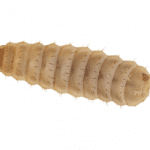
Calci Worms (Black Soldier Fly Larvae)
Why they’re excellent: Naturally high in calcium — no dusting needed. Nutrition: High calcium, good protein. Tip: Perfect for bone health and preventing deficiency. In fact, calci worms are highly recommended for balanced leopard gecko diets due to their natural calcium content.
Isopods (Woodlice)
Why they’re interesting: A natural, mineral-rich invertebrate found in leaf litter. Nutrition: Fibre and trace minerals. Tip: Ideal for enrichment in bioactive setups. Many keepers include isopods as a minor item in well-rounded leopard gecko diets for extra minerals.
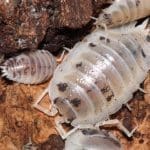
Support healthy digestion and mineral intake
Order fresh isopods today
Silkworms
Why they’re beneficial: Soft, easy to digest, and highly nutritious. Nutrition: High protein, low fat. Tip: A premium, healthy treat. Silkworms add diversity and valuable nutrients to leopard gecko diets.
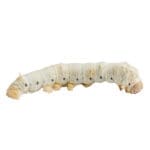
Support healthy growth with soft, protein‑rich silkworms
A high‑quality, easy‑digest treat your reptile will love
Feeding Your Leopard Gecko: Key Things to Remember
- Variety is essential — rotate different insects for balanced nutrition. Including different insects means your leopard gecko diets will be more balanced overall.
- Gut-load your livefood — feed insects nutritious foods before offering them. Gut-loading is vital for optimal leopard gecko diets and their health outcomes.
- Supplementation matters — dust with calcium and multivitamins regularly. Proper supplementation ensures all leopard gecko diets provide necessary vitamins and minerals.
- Hydration counts — geckos get moisture from their food, but always provide fresh water.
A varied, well‑supplemented diet keeps your leopard gecko healthy, active, and thriving. Happy feeding! As you can see, offering a range of foods ensures your Leopard Gecko Diets meet all nutritional requirements.
Gutload
-
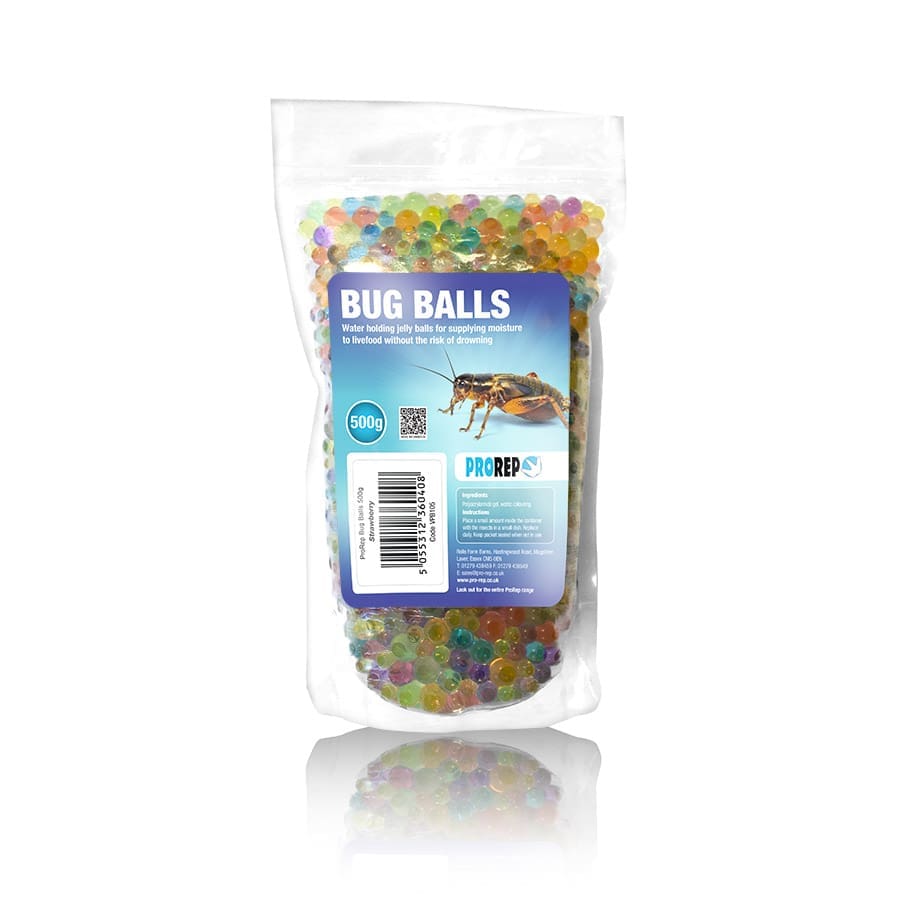
ProRep Bug Balls Rainbow 500g
Original price was: £5.19.£4.99Current price is: £4.99. -

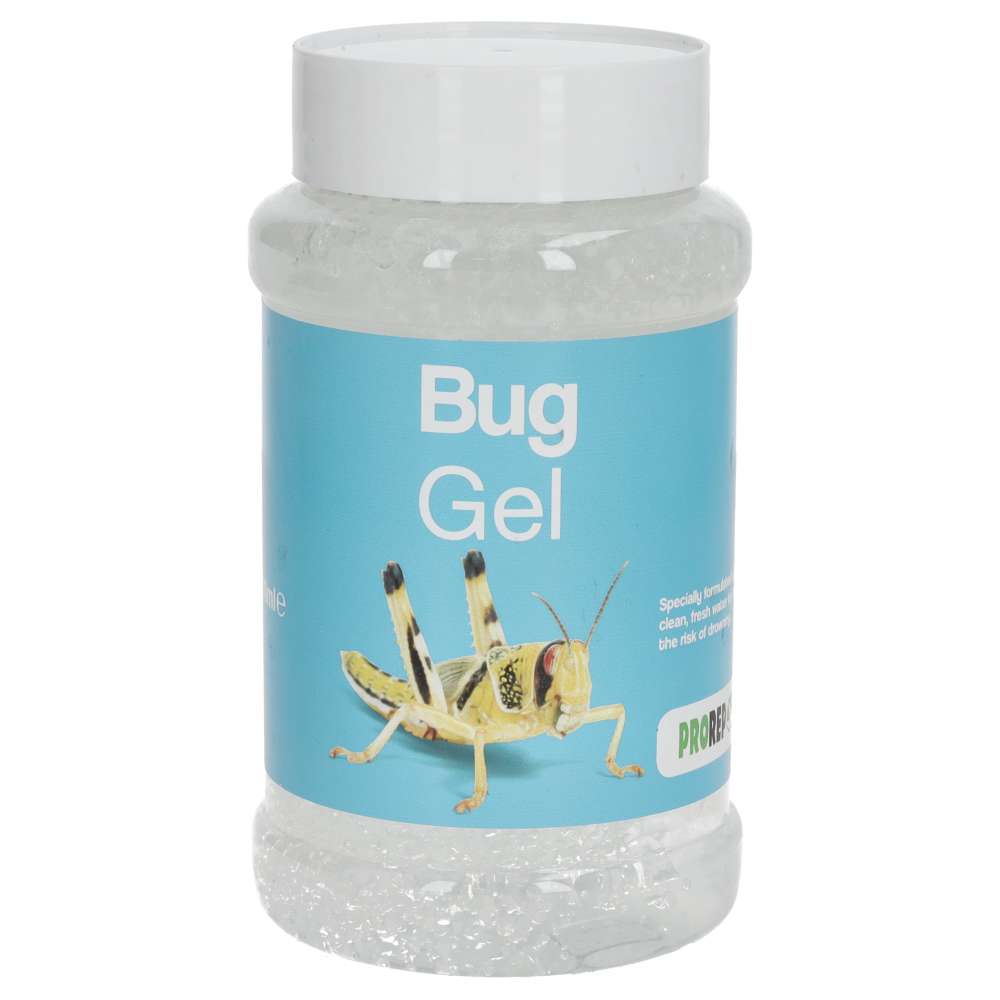
ProRep Bug Gel Jar Pack, 500ml
£4.09 -
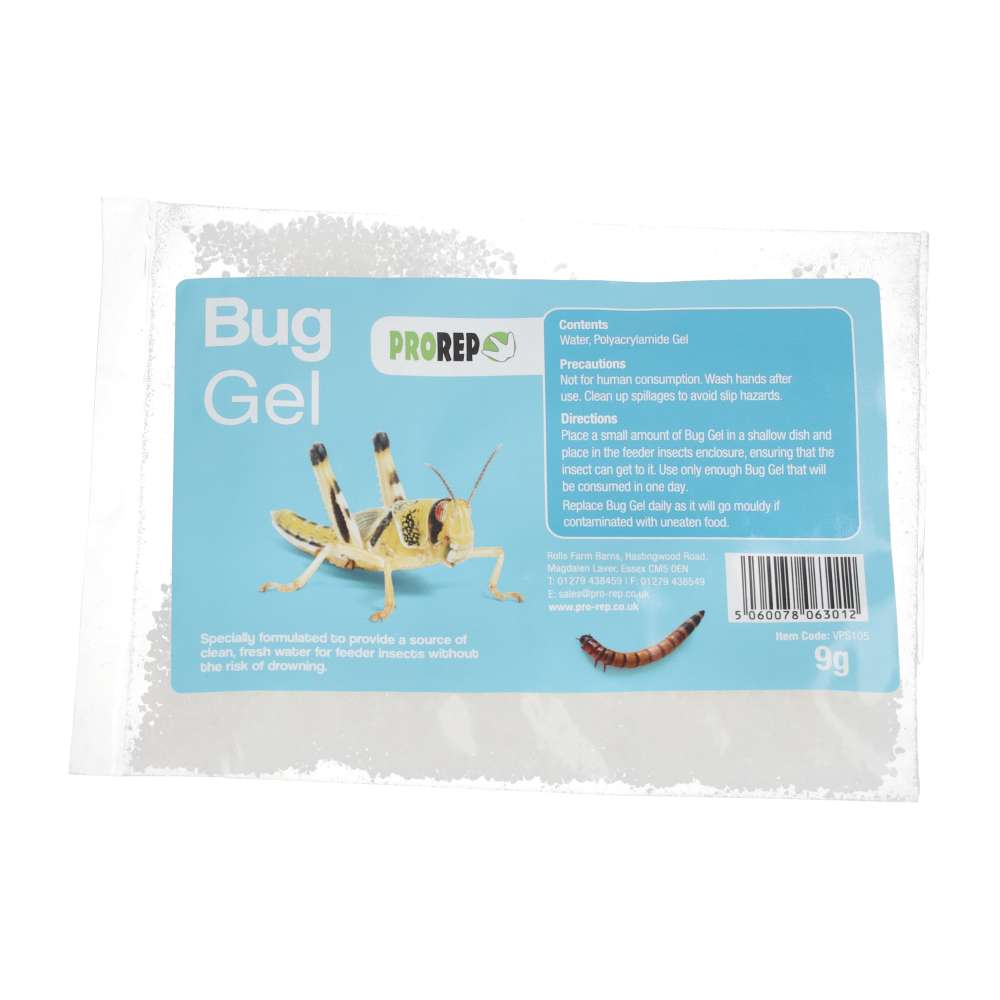
ProRep Bug Gel Refill Pack, 9g sachet
£2.89 -
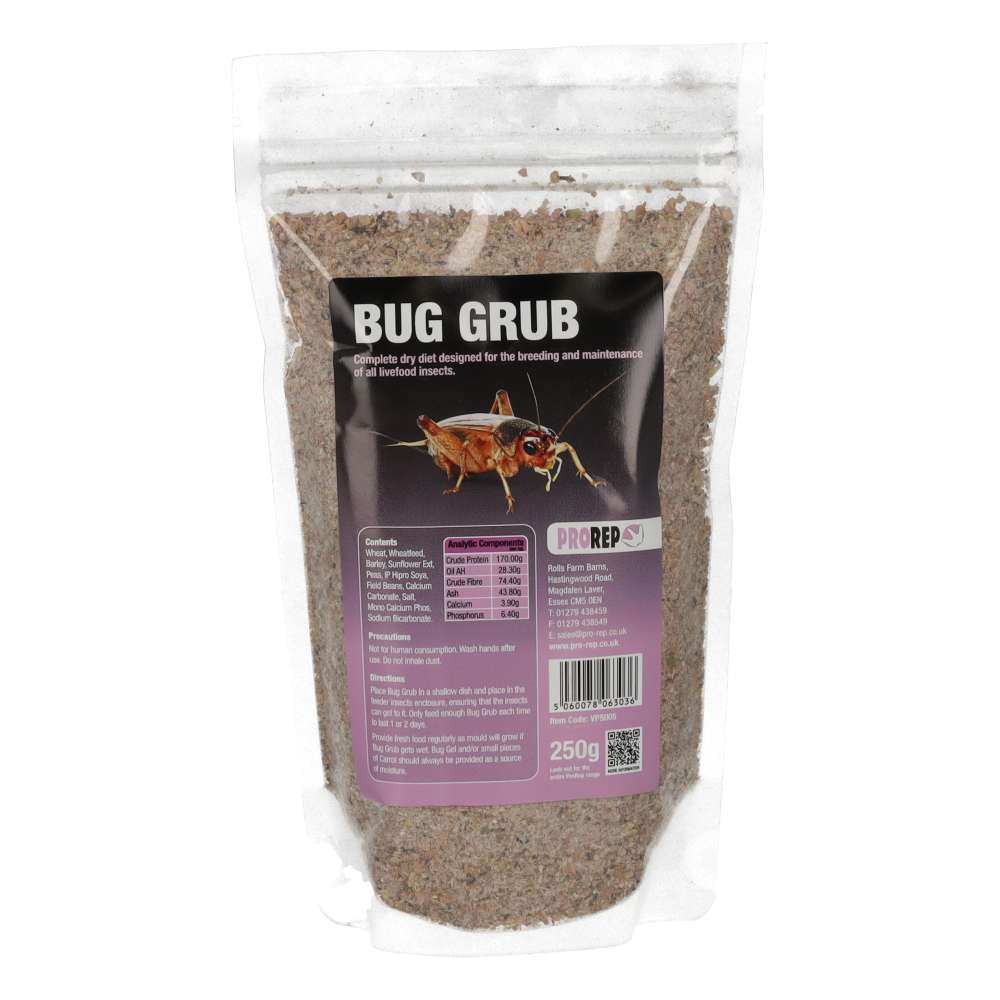
ProRep Bug Grub BULK Pack, 1Kg
£7.99 -
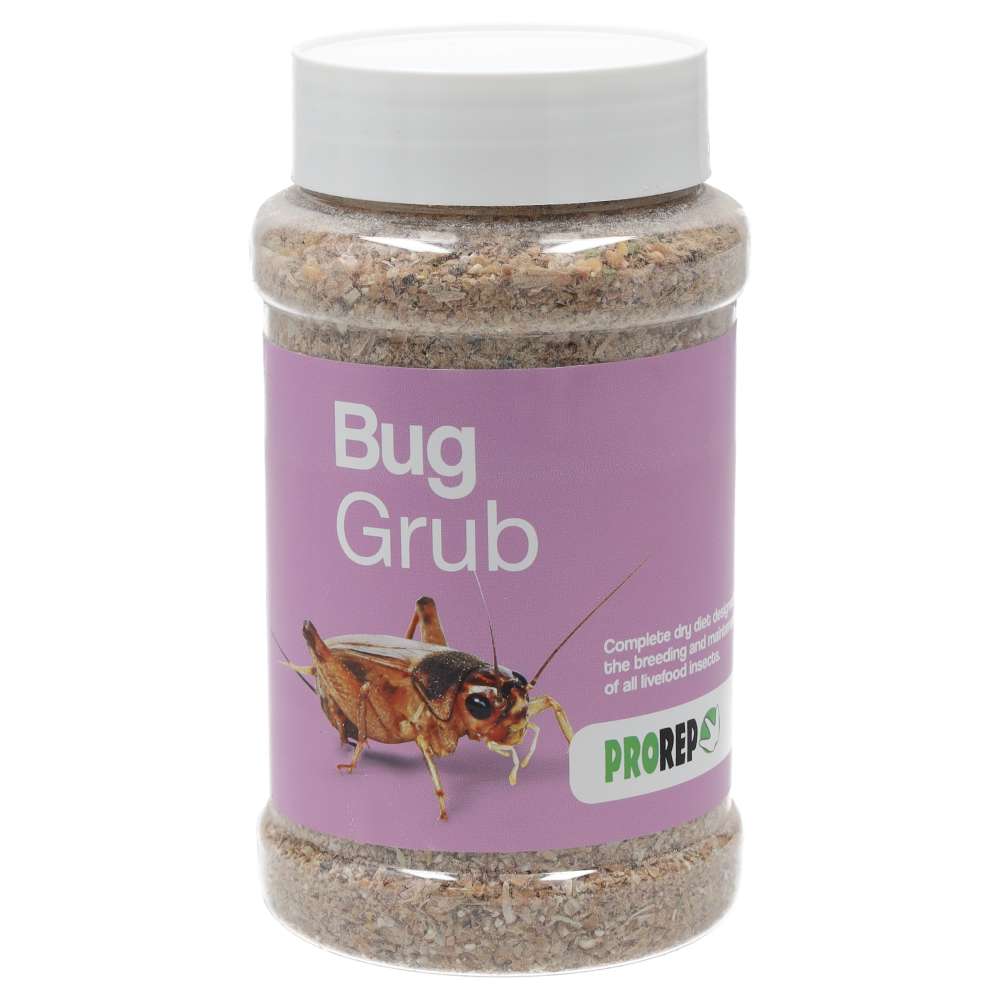
ProRep Bug Grub Jar Pack, 300g
£3.99 -
ProRep Bug Grub Refill Pack, 250g
£2.89 -
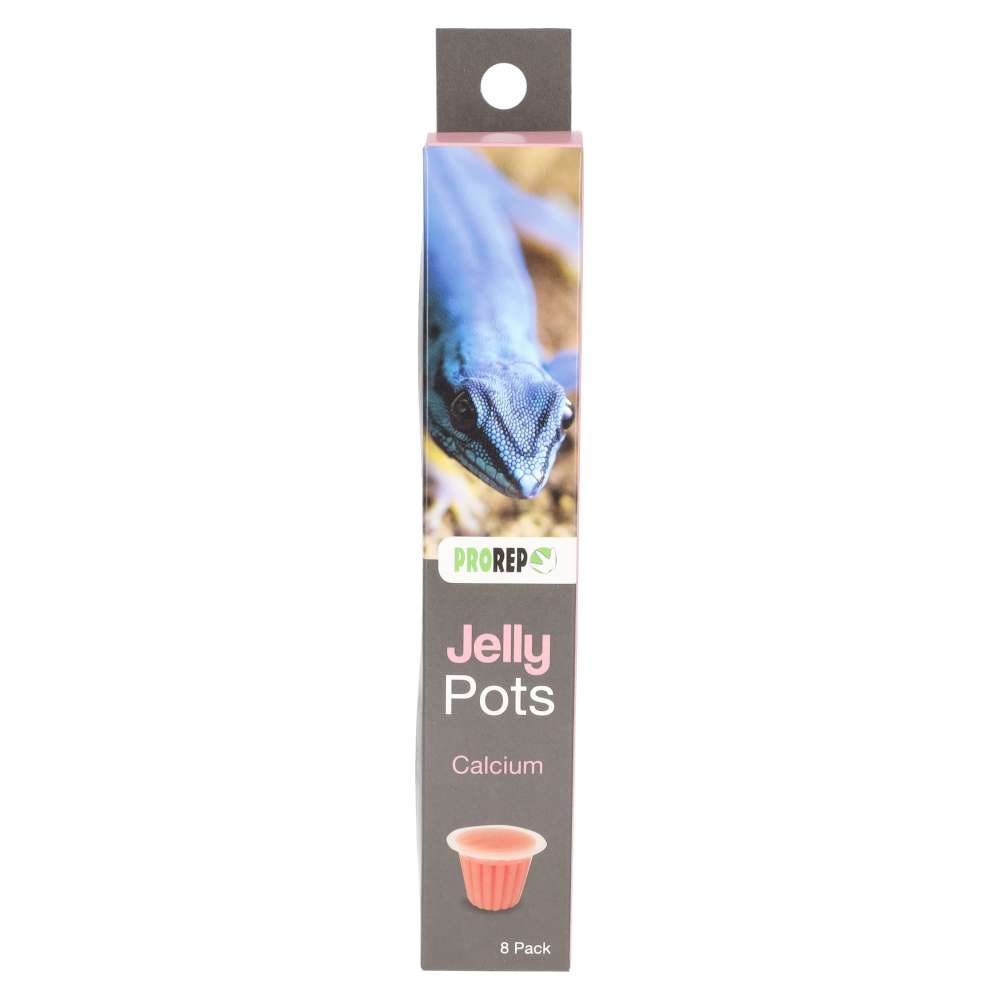
ProRep Jelly Pots, Bug Booster, Calcium
£6.29 -
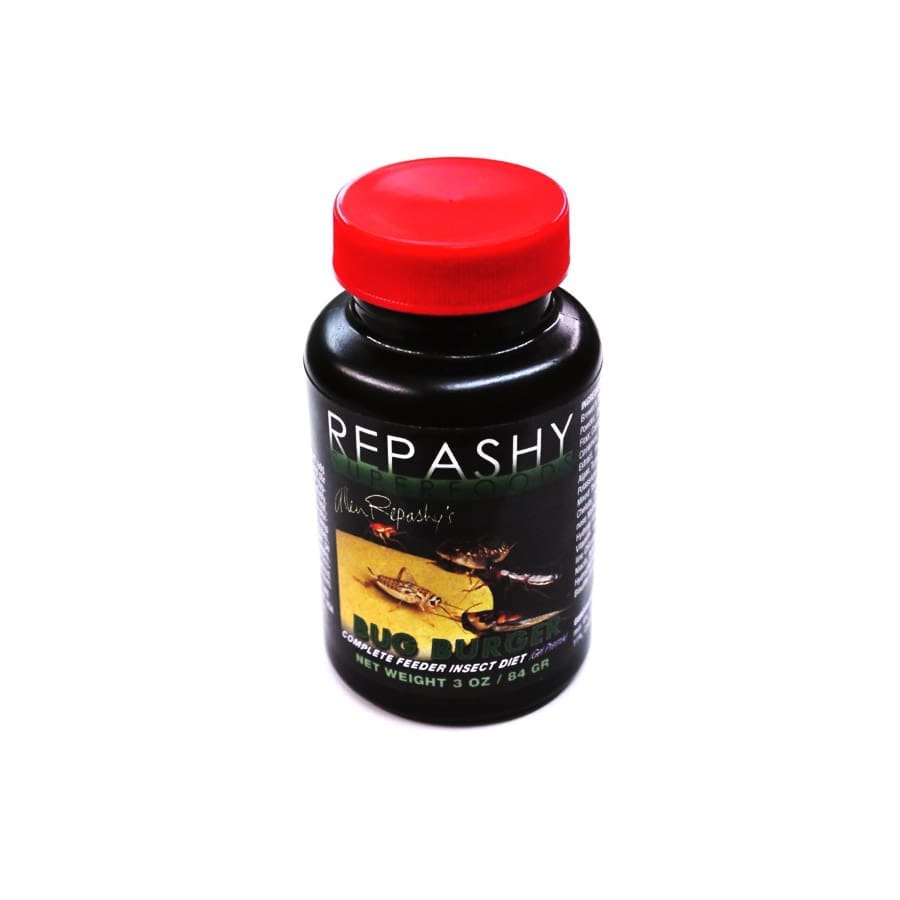
Repashy Superfoods Bug Burger, 84g
£10.29 -
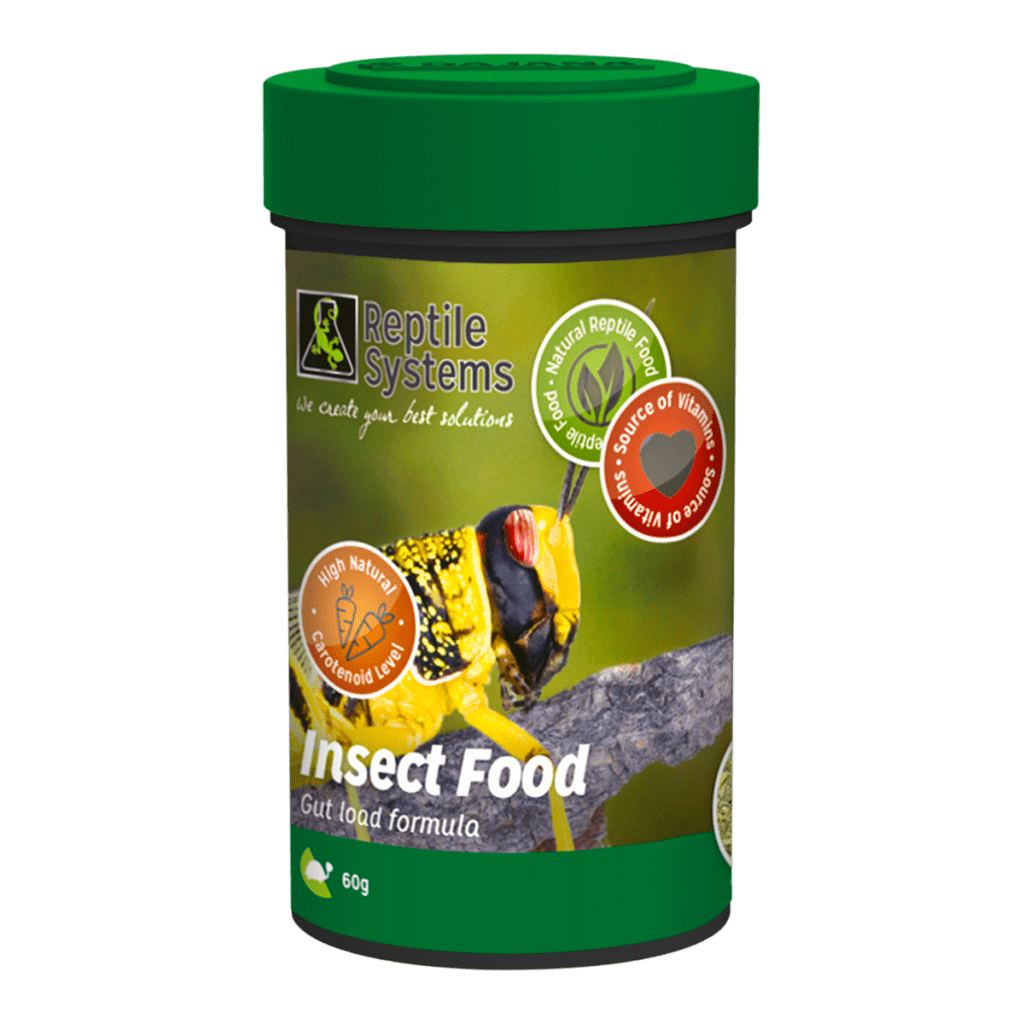
Reptile Systems Insect Food
Price range: £0.83 through £6.92
Faq’s
1. What should I feed my leopard gecko?
Leopard geckos are insectivores; feed a varied mix of appropriately sized live invertebrates such as crickets, locusts, silkworms, calci worms (BSFL), mealworms (sparingly), waxworms (treats), and isopods for enrichment.
2. How often should I feed an adult leopard gecko?
Adult leopard geckos typically eat every 2–3 days. Juveniles need daily feeding to support growth. Adjust frequency by body condition and activity level.
3. What size prey should I offer?
Offer prey no larger than the widest part of the gecko’s head. For adults, medium to large crickets or locusts are suitable; for juveniles, use pinhead or small crickets and silkworms.
4. Do I need to gut‑load feeder insects?
Yes. Gut‑loading (feeding nutritious food to feeder insects 24–48 hours before offering them) significantly improves their nutritional value and benefits your gecko’s health.
5. How often should I dust feeders with supplements?
Dust feeders with calcium for most feedings and use a multivitamin dust once or twice a week. Use a vitamin D3 dust only as recommended for your husbandry (consider UVB exposure and vet guidance).
6. Are calci worms (BSFL) better than other feeders?
Calci worms (black soldier fly larvae) are naturally high in calcium and useful for reducing reliance on dusting, but they should be part of a varied diet rather than the sole feeder.
7. Can I feed waxworms or mealworms regularly?
No. Waxworms and mealworms are high in fat; use them sparingly as treats or for encouraging picky eaters. Overuse can lead to obesity and health problems.
8. Are isopods safe to feed to leopard geckos?
Yes. Isopods can be offered as occasional feeders and are especially useful in bioactive setups for enrichment and as a source of fibre and trace minerals.
9. How do I store livefood safely?
Keep livefood in ventilated containers at appropriate temperatures, feed them a nutritious gut‑load, and rotate stock frequently. Follow supplier guidance for each species to avoid spoilage and disease.
10. What are signs of poor nutrition in leopard geckos?
Look for lethargy, weight loss, soft or swollen jaws (metabolic bone disease), poor shedding, and reduced appetite. If you see these signs, review diet, supplementation, and husbandry and consult a reptile vet.
11. Should I offer live prey or pre‑killed feeders?
Live prey encourages natural hunting behaviour and exercise. Pre‑killed or frozen‑thawed feeders are sometimes used for other species; for leopard geckos, live feeders are standard, but ensure prey is safe and appropriately sized.
12. How can I introduce variety into my gecko’s diet?
Rotate feeder species (crickets, locusts, silkworms, calci worms, occasional waxworms), vary prey sizes, and use enrichment feeding methods (hide-and-seek, feeding tongs) to stimulate natural behaviour.
13. What are the signs of obesity in leopard geckos?
Obesity in leopard geckos shows as a rounded, swollen body and tail (rather than the normal plump but tapered tail), reduced activity, difficulty shedding, and a visible fat pad around the hips or base of the tail; affected geckos may also have reduced appetite or show laboured movement. If you suspect obesity, review diet and feeding frequency, reduce high‑fat treats (waxworms, mealworms), increase feeding variety and activity, and consult a reptile vet for a tailored weight‑management plan.
14. How many feeder insects should I offer per feeding?
Feed juveniles daily and adults every 2–3 days, but don’t rely on fixed counts — offer prey the gecko will eat within 10–15 minutes. For juveniles, provide several small prey items per session to support growth; for adults, offer appropriately sized prey until the gecko stops hunting. Adjust frequency and quantity by body condition, activity and growth, and consult a vet if you’re unsure.
15. How can I get help from your Reptile Care Team?
If you need support with feeding, supplementation, portion sizes, or weight concerns, call our Reptile Care Team on 01865 372200, use the contact form on our website, or visit the shop during opening hours. Have photos or short videos ready for faster advice. For urgent health problems, contact a reptile vet.
Last updated 19/9/26