Why Calcium Matters for Reptile Health
Calcium is one of the most important minerals in reptile nutrition. It supports bone growth, muscle function, nerve signalling, and metabolic stability. Without enough calcium, reptiles can quickly develop serious health issues such as Metabolic Bone Disease (MBD), soft shells in tortoises, and parathyroid gland dysfunction.
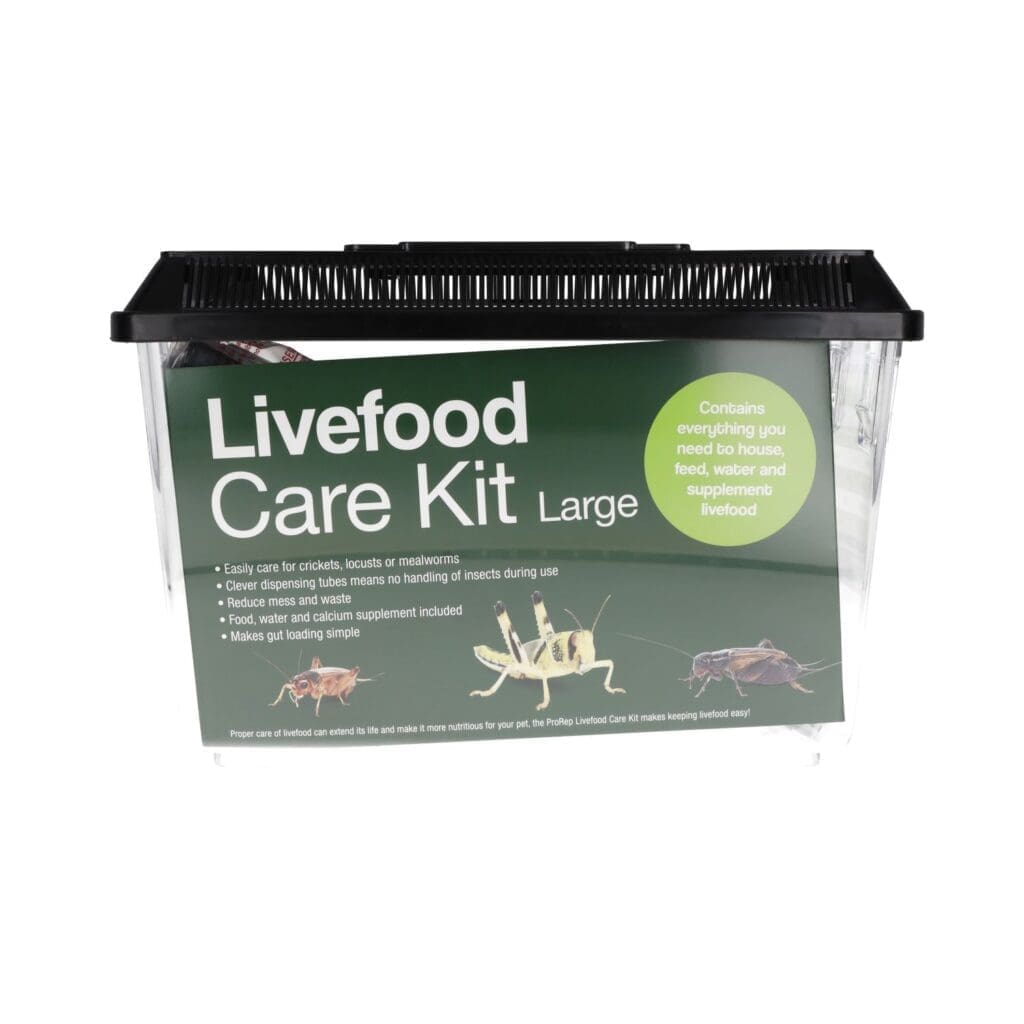
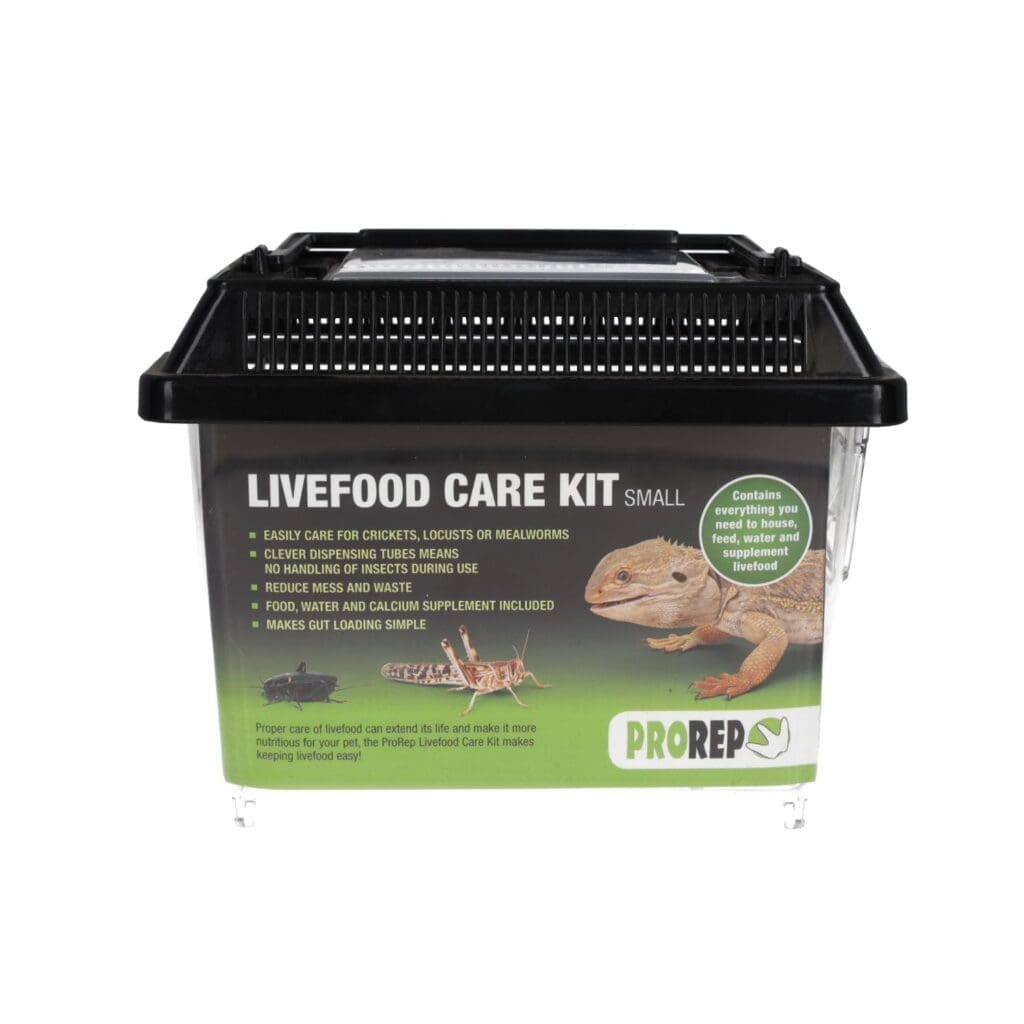
Many of the most common feeder insects—crickets, locusts, mealworms, morio worms, and roaches—are naturally low in calcium and high in phosphorus. This imbalance means reptiles cannot maintain healthy bones unless their food is supplemented.
Research consistently shows that calcium deficiency is one of the leading preventable causes of reptile illness in captivity:
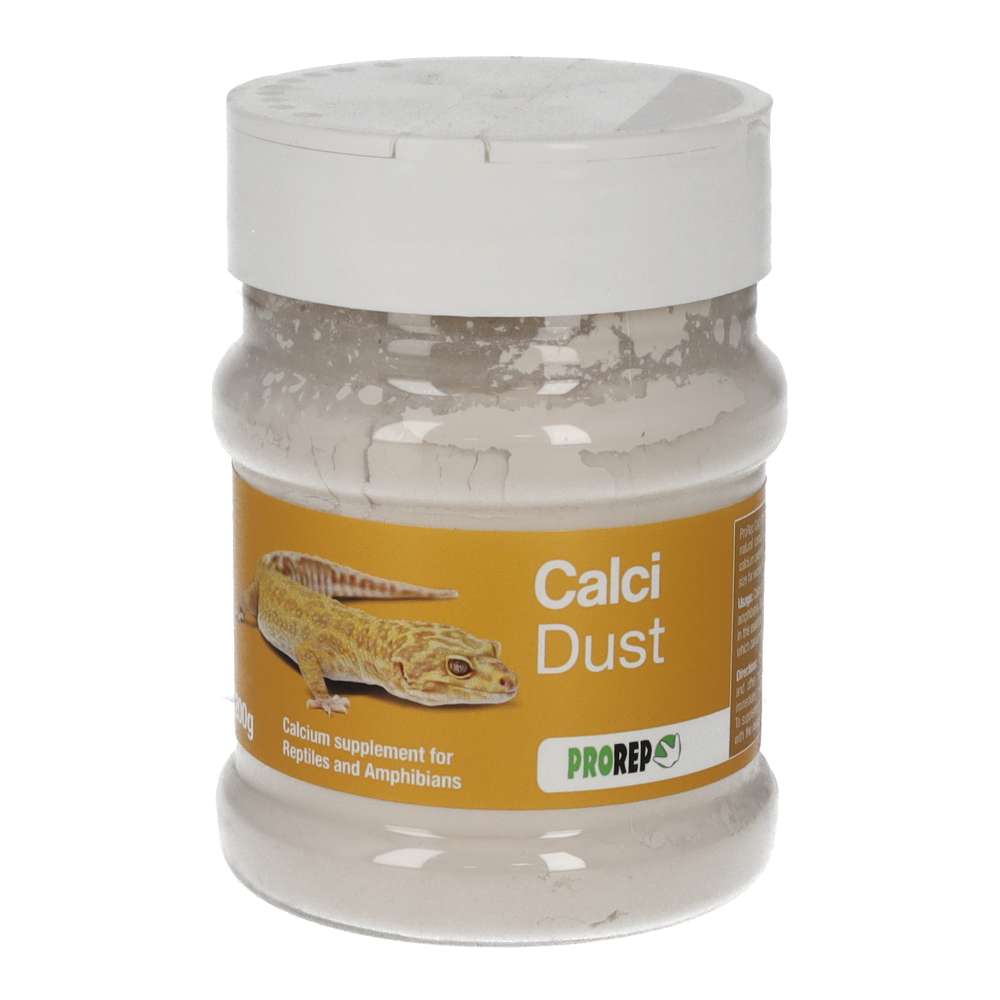
To help correct this imbalance, reptile keepers use calcium powders such as ProRep Calci-Dust, a pure, superfine calcium supplement designed to stick easily to salads, vegetables, fruit, and live insects.
What Is ProRep Calci-Dust?
ProRep Calci-Dust is a natural, ground‑superfine calcium carbonate powder formulated specifically for reptiles. Its ultra‑fine texture helps it adhere to:
- leafy greens
- vegetables
- fruit
- crickets
- locusts
- mealworms
- roaches
This ensures your reptile receives a reliable calcium boost with every meal.
Product link: 👉 ProRep Calci-Dust
How to Use Calci-Dust
On salads and vegetables
Sprinkle a light dusting of Calci-Dust over your reptile’s salad just before feeding. A thin, even coating is ideal—too much powder can make food unappealing.
On live insects
- Place the insects in a plastic tub, cup, or bag.
- Add a small amount of Calci-Dust.
- Shake gently until the insects are lightly coated.
This method ensures your reptile receives calcium even if they only eat livefood.
How often should you dust?
This depends on species, age, and UVB exposure:
- Tortoises, bearded dragons, uromastyx: 3–5 times per week
- Geckos, skinks, amphibians: 2–4 times per week
- Young, growing reptiles: daily light dusting
- Reptiles with low UVB exposure: more frequent supplementation
For species‑specific guidance, see: 👉 Evolution Reptiles Care Guides
Calcium, UVB, and Temperature: The Essential Trio
Calcium alone is not enough. Reptiles need the correct temperature and UVB lighting to absorb and use calcium properly.
Temperature
Reptiles rely on external heat to regulate their metabolism. Each species has a Preferred Optimum Temperature Zone (POTZ)—the temperature range where digestion, immunity, and nutrient absorption work best.
If a reptile is kept too cool:
- food is not digested properly
- calcium cannot be absorbed
- MBD risk increases
More information: Read our blog on Understanding Preferred Optimum Temperature Zone
UVB Lighting
UVB light allows reptiles to synthesise vitamin D3, which is essential for calcium absorption. Without UVB, reptiles cannot use calcium—even if you provide supplements.
Useful UVB resources: 👉 Arcadia Lighting Guide 👉 Exo Terra Vitamin D3 and Reptiles: A Vital Connection
Recommended Calcium Products
-
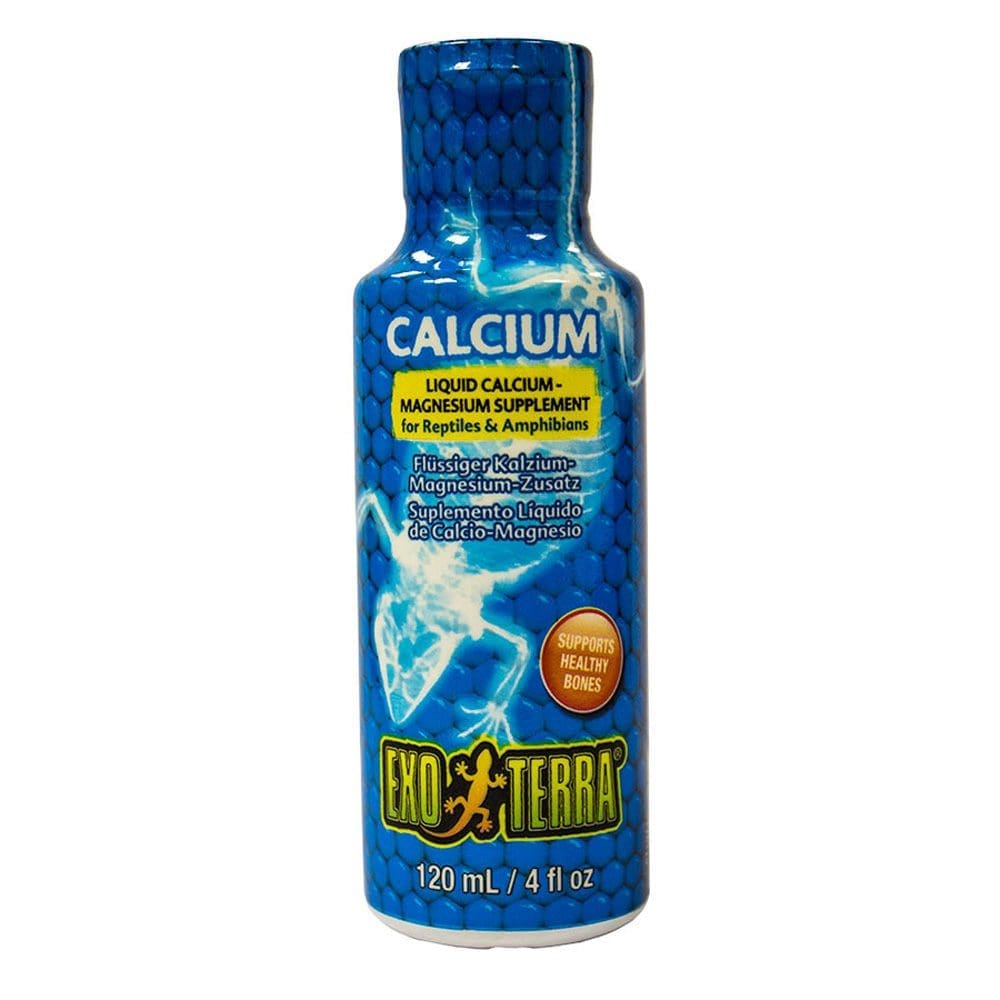
Exo Terra Calcium Liquid Supplement 120ml
Original price was: £10.59.£8.49Current price is: £8.49. -
ProRep Calci Dust
Original price was: £4.49.£3.69Current price is: £3.69. -
ProRep Livefood Supplement Shaker
Original price was: £11.39.£9.19Current price is: £9.19. -
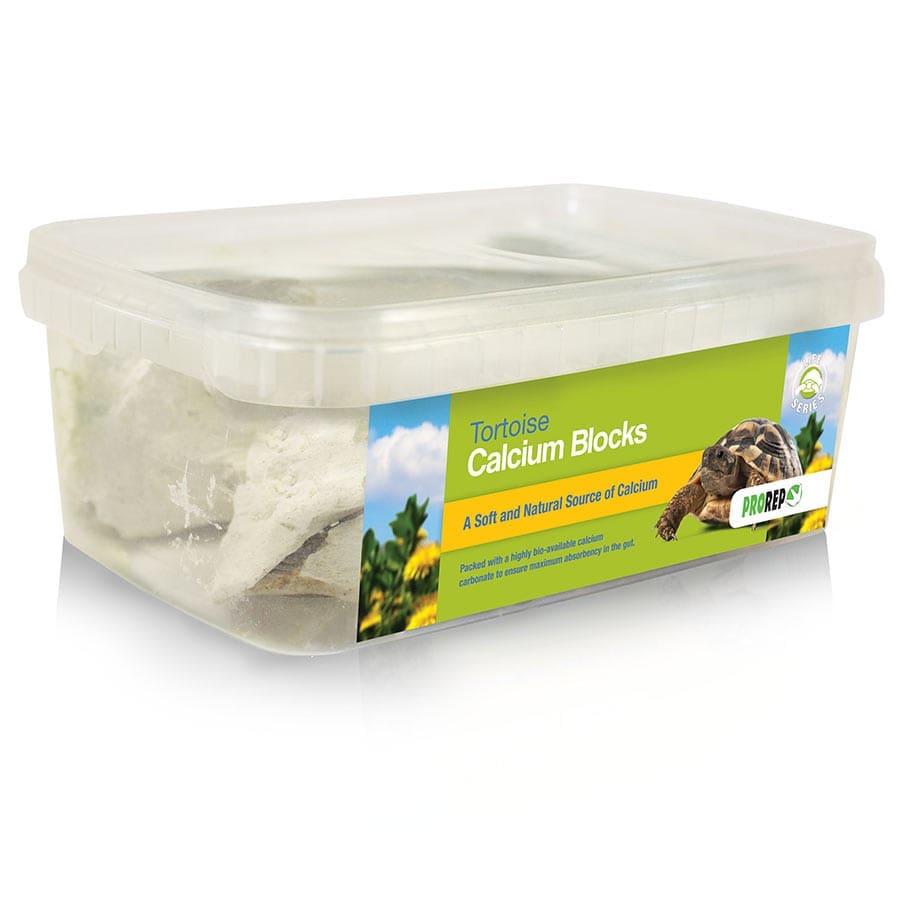
ProRep Tortoise Calcium Blocks
Original price was: £11.69.£9.59Current price is: £9.59. -

ProRep Tortoise Life Botanical Calci Dust, 130g
£6.49 -
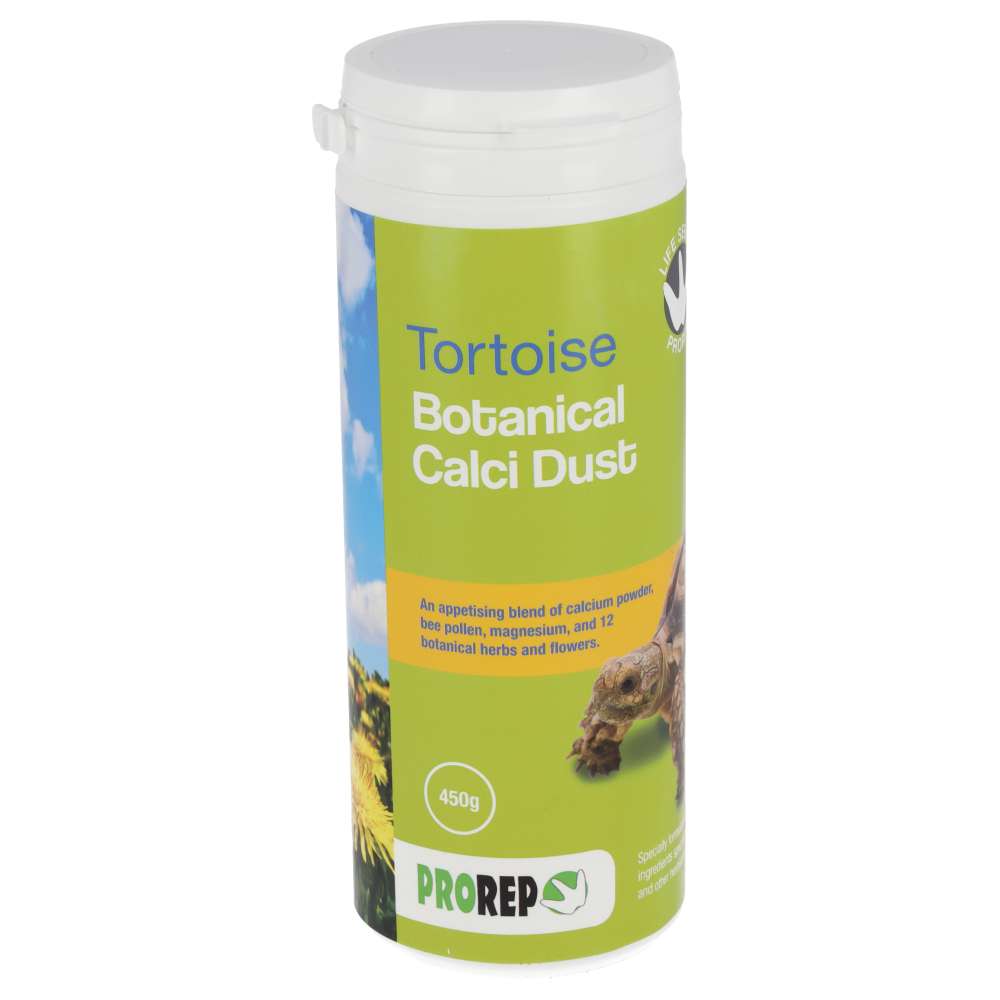
ProRep Tortoise Life Botanical Calci Dust, 450g
£13.19 -
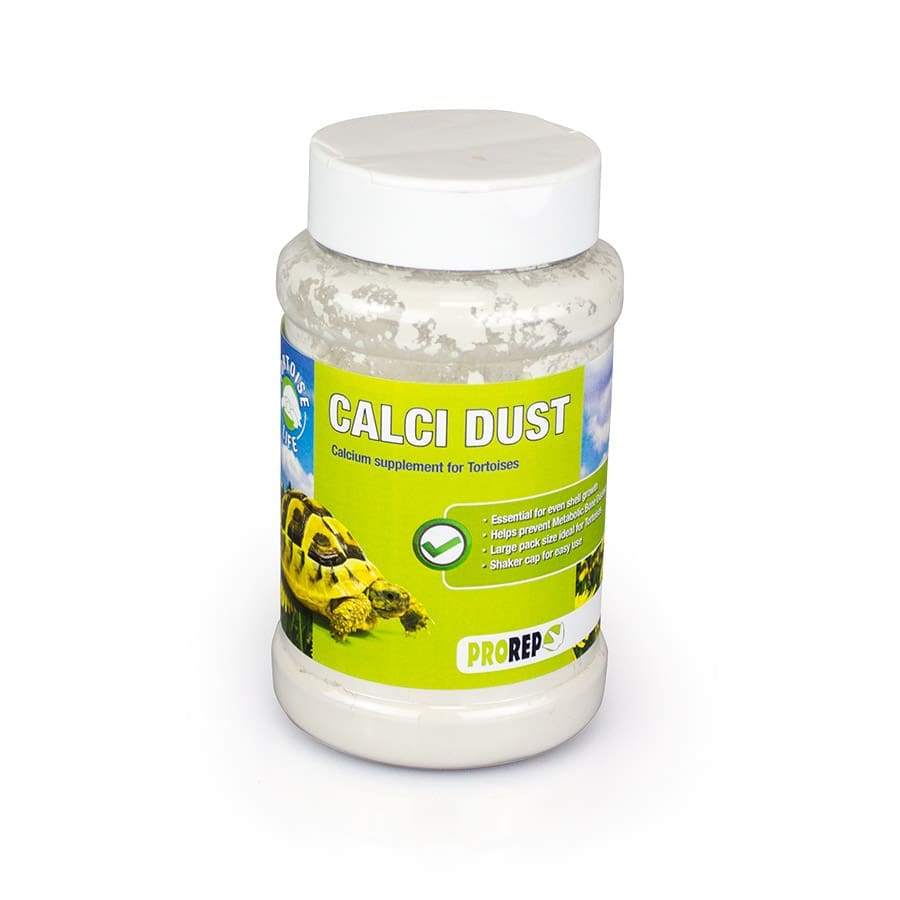
ProRep Tortoise Life Calci Dust 500g
Original price was: £7.49.£5.29Current price is: £5.29. -
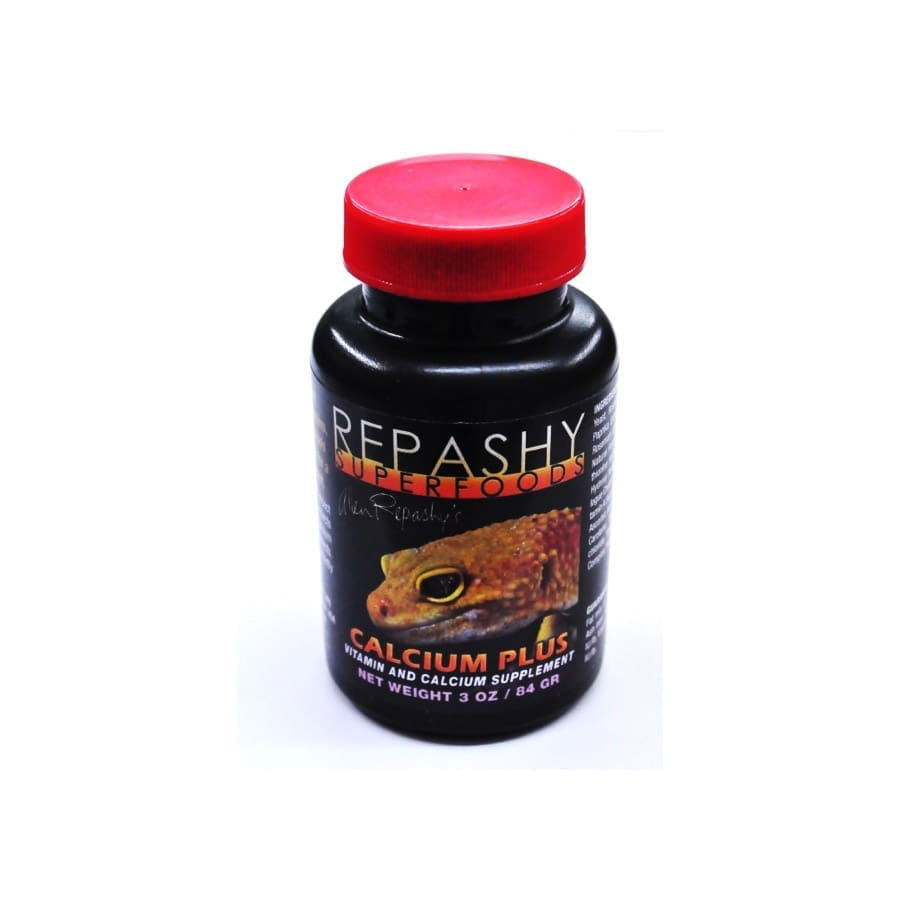
Repashy Superfoods Calcium Plus
Price range: £10.99 through £17.00 -
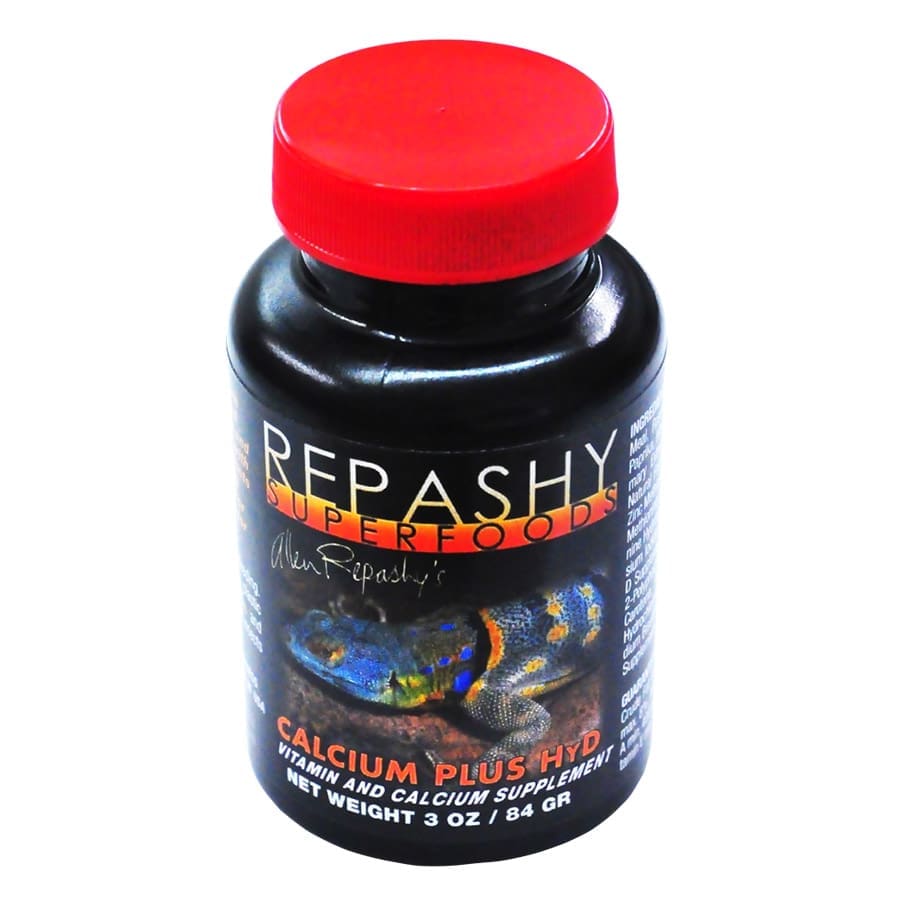
Repashy Superfoods Calcium Plus HyD, 84g
£12.79


Frequently Asked Questions: Calcium & Reptile Health
Why is calcium so important for reptiles?
Calcium is essential for bone strength, muscle function, nerve signalling, and overall metabolic health. Without enough calcium, reptiles can develop serious conditions such as Metabolic Bone Disease (MBD), soft shells in tortoises, tremors, and fractures.
What is Metabolic Bone Disease (MBD)?
MBD is a preventable but potentially life‑threatening condition caused by calcium deficiency, poor UVB exposure, or incorrect temperatures. Symptoms include weak bones, deformities, lethargy, tremors, and difficulty moving. Proper diet, UVB, and heat prevent MBD.
Are live insects naturally low in calcium?
Yes. Most feeder insects—crickets, locusts, mealworms, morio worms, and roaches—are naturally low in calcium and high in phosphorus. This imbalance means reptiles cannot maintain healthy bones unless insects are dusted with calcium powder.
How often should I dust my reptile’s food with calcium?
It depends on species, age, and UVB exposure:
- Tortoises, bearded dragons, uromastyx: 3–5 times per week
- Geckos, skinks, amphibians: 2–4 times per week
- Young reptiles: daily light dusting
- Low‑UVB setups: more frequent supplementation
Always check species‑specific care guides.
Do reptiles need UVB to absorb calcium?
Absolutely. UVB allows reptiles to produce vitamin D3, which is essential for calcium absorption. Without UVB, reptiles cannot use calcium properly—even if you provide supplements.
Can my reptile absorb calcium if it’s too cold?
No. Reptiles must be within their Preferred Optimum Temperature Zone (POTZ) to digest food and absorb nutrients. If they are too cool, calcium absorption drops dramatically, increasing the risk of MBD.
What type of calcium supplement should I use?
A superfine calcium powder like ProRep Calci-Dust is ideal because it sticks easily to salads, vegetables, fruit, and live insects. Tortoises may also benefit from ProRep Tortoise Calcium Blocks for additional enrichment.
Can I give too much calcium?
Over‑supplementation is rare when using plain calcium carbonate powders. Problems usually arise only when using calcium + D3 excessively. Follow species‑specific guidance and ensure proper UVB lighting.
How do I know if my reptile is calcium deficient?
Early signs include:
- shaky movements
- soft jaw or shell
- poor appetite
- lethargy
- difficulty climbing or walking
- swollen limbs
If you notice any of these, contact a reptile‑experienced vet.
What else affects calcium absorption?
Calcium absorption depends on three key factors:
- Correct diet
- Proper UVB lighting
- Correct temperature (POTZ)
All three must work together.
Expert Reptile Care Since 2007
At Evolution Reptiles, we’ve been supporting keepers and their animals for nearly two decades. Our team specialises in evidence‑based reptile welfare, offering:
- high‑quality reptile supplies
- expert advice
- care guides
- UVB lighting
- heating systems
- livefood
- supplements
- vivariums and equipment
Visit us in-store or online for everything you need to keep your reptile healthy and thriving.
Reptile Care Guides 👉 Contact Us